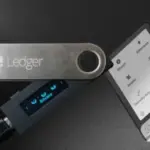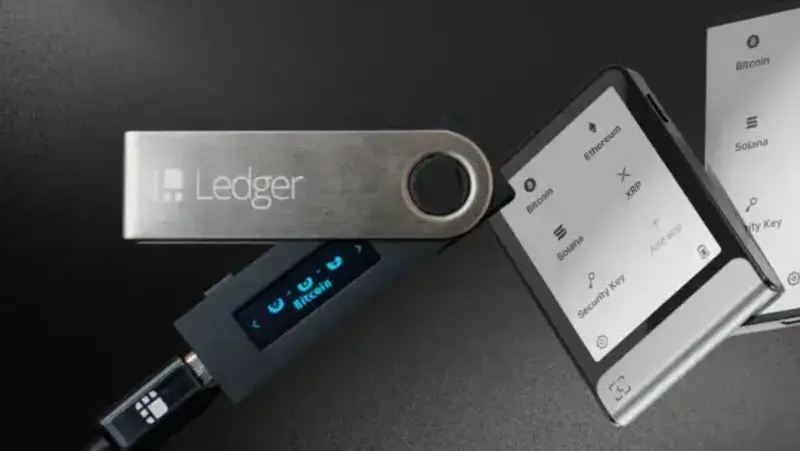
Ledger has widened its hardware wallet tampering investigation from Southeast Asia to Europe and the Middle East.
The Paris-based company linked the latest findings to an incident involving devices sold through retail partners. Investigators are tracing how genuine devices reached buyers after someone altered them. Ledger says it could find more affected wallets as the investigation continues.
Ledger Confirms Berlin Cases and Examines Dubai Devices
In its November 18 update, Ledger said it found several tampered hardware wallets in Berlin. In Dubai, it is reviewing two suspected devices with distribution partners.
Ledger linked the cases to the October incident involving CryptoBilis, an authorized reseller in Southeast Asia. The company also identified one affected Nano Gen5, its newest hardware wallet model, in Southeast Asia.
Ledger urged Berlin customers who bought devices from January 2026 onward to contact official support.
That window starts roughly nine months before Ledger first flagged a CryptoBilis device on October 10.
Ledger disclosed the incident on October 15 and said the tampering occurred after genuine devices left its control. The company also directed concerned buyers in Dubai and Southeast Asia to its support team.
MediaMarktSaturn pulled Ledger products from stores and online on October 13 after a German customer reported finding an implant. Ledger has yet to confirm whether the retailer supplied any of the devices it identified in Berlin.
How the Hardware Wallet Implant Captures Recovery Phrases
Ledger said the group bought genuine wallets, added hidden components and repackaged the devices before returning them to reseller channels.
During setup, the implant captures the 24-word recovery phrase from the wallet’s display. The component transmits the phrase over LTE through an embedded eSIM. Anyone with that phrase can access the wallet’s funds, even if the owner adds them after setup.
Ledger said its secure chip and operating system showed no flaws. Its Genuine Check verifies the chip, which remains intact in the altered wallets.
A device can therefore pass the check while still containing an implant. Ledger warns that opening the wallet can damage it. The company has yet to confirm a case involving a purchase directly from ledger.com.
Bitquery Links $1.68 Million in Losses to Dubai and Berlin
Two Dubai buyers reported combined losses of about $604,000 on X. Both said they bought their wallets from an authorized reseller.
One reported losing about 1,300 SOL, while the other reported losing 507,000 USDT. Bitquery valued the two transfers at about $601,000 at the time of the theft.
The blockchain analytics firm estimated that 16 wallets tied to the Dubai and Berlin cases lost $1.68 million. It put losses from the earlier Southeast Asian incident at roughly 102million.SingaporepoliceseparatelyreportedaboutS3.5 million in losses across at least two local cases. Ledger has yet to confirm any loss totals and says it has identified only a small number of affected devices.
Ledger told customers who suspect tampering to stop using the device and contact its support team. It advised affected users to move funds to a new wallet with a fresh recovery phrase.