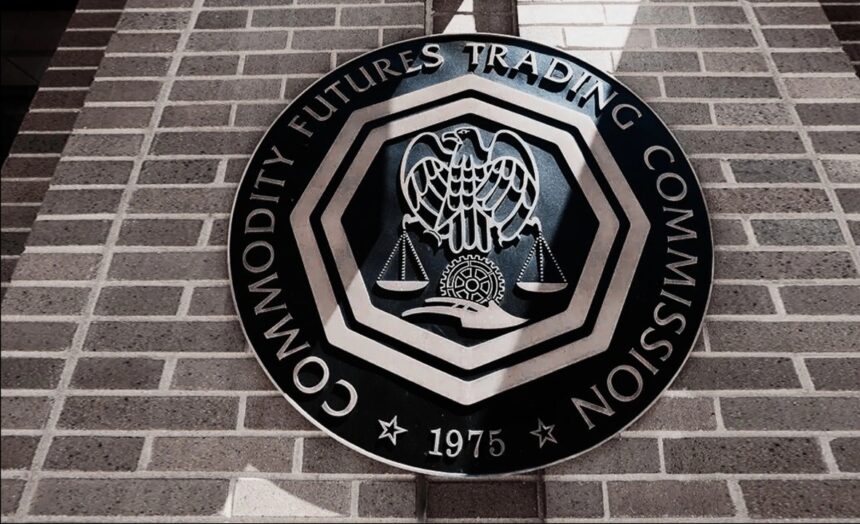
The Commodity Futures Trading Commission (CFTC) has ordered former Rep. George Santos to resolve charges over the manipulation of a Kalshi contract on whether he would attend February’s State of the Union address. This order compels him to disgorge profits in the amount of $17,569.98.
In addition, the CFTC has ordered him to pay a civil monetary penalty of $17,500, cease and desist orders, and a trading prohibition for a period of three years. He did not admit or deny the findings. The CFTC found the conduct occurred between February 12 and February 25, and described it as manipulative activity in a contract whose underlying event Santos controlled. Kalshi users wagered more than $15 million on which political figures would attend the address. Santos took a yes position on himself, then asked followers on X whether he should wear a “muted serious suit to the SOTU or a bedazzled one,” per Forbes.
CFTC reveals sanctions against Santos for the violation
According to reports, after everything Santos did, the price of that position climbed, and he exited at a profit. He ran the sequence repeatedly, narrating a trip toward Washington while trading against the reactions his posts produced. The day before the address, he said in a video that he would be there in the gallery. The following evening, he posted that watching from an airport television had not been the plan. The CFTC found he acted “willfully or, at the very least, recklessly” and knowingly made misleading public statements to move the contract his way.
According to NOTUS, after Kalshi detected the trading, the platform froze Santos’s account and referred it to both the CFTC and the Justice Department. According to Head of Enforcement Robert DeNault, the firm provided “the evidence needed to bring action against Santos,” and also said that Kalshi intends to take a separate legal course for breaches of exchange rules, as well as try to compensate traders for any losses incurred.
As Cryptopolitan earlier reported, Kalshi made more than 20 referrals to regulators and law enforcement in the first quarter of 2026, opened over 150 insider trading investigations, and blocked more than 100 suspected trades before execution. It has previously banned a California gubernatorial candidate for betting on his own race. Santos’s attorney, Joseph W. Murray, said his client booked flights and a hotel intending to attend, then reversed after winter storms disrupted East Coast travel and his flight was canceled.
Once Santos realized he could not safely attend, Murray said, he adopted a no position and hid neither the original plan nor the change. “There was absolutely no intent to deceive any person, nor intent to manipulate any market,” Murray said. He noted the contract was the first prediction-market bet Santos had ever placed and that his client cooperated with the agency. Three people with direct knowledge of the trades said the opposite, alleging that Santos deliberately misled the public and profited from it.
The ruling comes amid the commission’s struggle to retain exclusive jurisdiction over the contracts made for events. The CFTC has filed lawsuits against nine states and, on July 14, invoked its emergency powers to stop a Michigan court from compelling Kalshi to void executed trades. Massachusetts, Michigan, Nevada, New York, and Washington have all won rulings restricting the platform. Friday’s order gives Kalshi a useful example in its wider fight with state regulators. The exchange can now argue that its own monitoring system worked.