Defiance Capital CEO Arthur Cheong says institutional capital is reshaping crypto market behavior during global shocks.
He argues that digital assets have become a preferred short hedge during weekend risk-off events. His remarks follow another sharp selloff that hit crypto while traditional markets remained closed.
Arthur Cheong, founder and CIO of Defiance Capital, criticized what he views as a growing pattern. He said institutional investors now treat crypto as a convenient hedge when geopolitical or macro risks surface outside stock market hours. According to him, digital assets absorb panic selling while equities remain shielded until Monday trading.
Weekend shocks amplify crypto volatility
The latest drop followed Israel’s announcement of a preemptive strike on Iran over the weekend. Bitcoin and Ether reversed recent recovery gains, and about $128 billion exited the crypto market. Traditional financial markets were closed, limiting immediate spillover.
Bitcoin fell sharply after starting the weekend above $121,000. It later dipped below $110,000 during the selloff. Ethereum also slid under $3,700 after trading above $4,300 before the weekend began.
Cheong noted that similar patterns have played out before. When President Trump announced 100% tariffs on China alongside existing levies, equities sold off briefly.
The S and P 500 closed before the weekend and reopened higher the following Monday. Crypto markets, however, continued trading and extended losses.
A comparable move occurred in mid January after new semiconductor export rules targeting China were announced. Bitcoin dropped from near $98,000 to almost $94,000 before the weekend ended. Cheong believes these repeated episodes show crypto is increasingly used as a fast hedge.
Liquidity gaps widen weekend swings
Trades 24/7 unlike equities and commodities. This architecture is desirable in attracting institutional flows, but at the same time markets are exposed to withdrawals. Weekend liquidity is more likely to be tighter, and big purchases have the potential to shift the price at a higher rate.
The traditional market reopening before the crypto markets, the investors usually liquidate the investments before the risk decreases. Such a dynamic can increase volatility. Cheong shoulders out that digital assets are acquiring the first shock that other markets evade during closed hours.
The October 11 weekend remains a key example. That period saw the largest liquidation day in crypto history, with over $19 billion wiped out.
Bitcoin and Ethereum now trade at nearly half their valuations from that weekend peak. Meanwhile, the S and P 500 has gained more than $7 over the past six months.
Opportunity amid structural shifts
Not all market participants share Cheong’s caution. Matt Hougan of Bitwise Asset Management sees opportunity in the disconnect between price action and long term fundamentals. In a recent memo, he said mispricing may allow investors to build broader exposure.
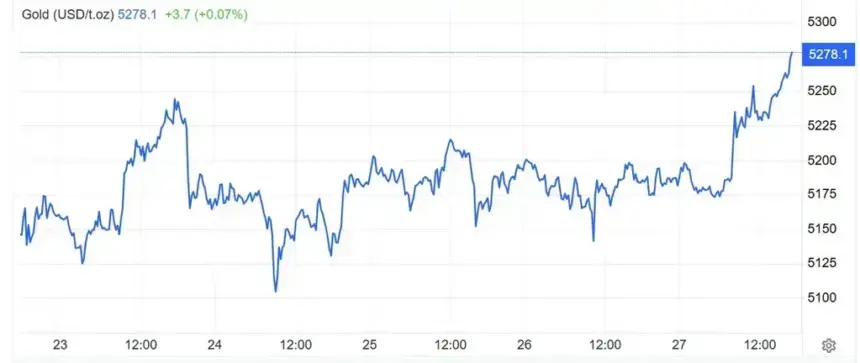
This weekend also highlighted another trend. Tokenized gold climbed toward $5,500 while traditional gold markets were closed. The move shows that 24 7 trading can benefit digital representations of commodities as well.
The remarks by Cheong emphasize a current discussion regarding the changing role of crypto. With the increase in institutional involvement, there is an increase in the impact of macro events. The issue of whether or not weekend volatility is a sign of weakness or opportunity is an important concern to investors.