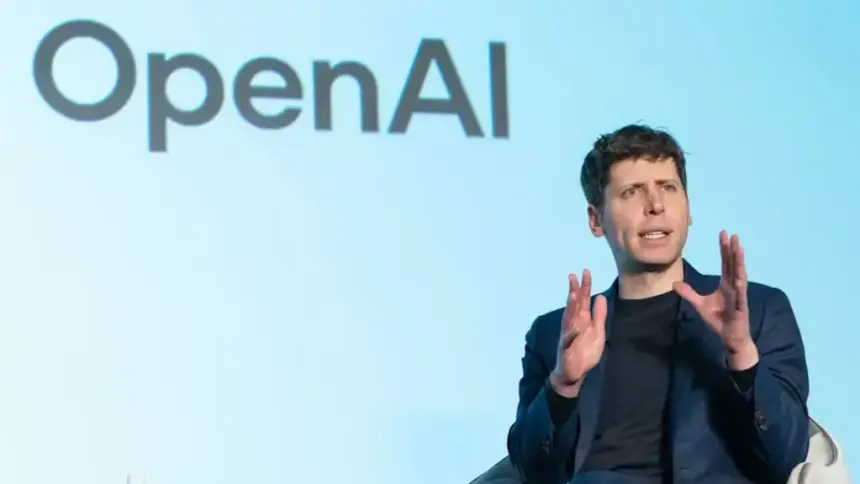
Sam Altman, OpenAI CEO, has cautioned users not to use ChatGPT to guide them personally or provide emotional support.
He pointed out that the nature of communication with the chatbot does not attract legal rights to privacy, unlike that involving licensed professionals.
Addressing the video on comedian Theo Von’s podcast, Altman discussed the fact that many users consider ChatGPT a counselor or even a guru in life. However, there is no confidentiality between a doctor and his patient or between an attorney and his client, and those interactions are not legally controlled.
No Legal Shield Over AI Conversations
Altman also complained that the number of users sharing their sensitive life concerns with AI was increasing. He noted that individuals tend to disclose very intimate issues when they believe them to be confidential. In fact, no legal protection exists to secure such conversations.
He cautioned that this might be a significant problem in court if the companies are obligated to surrender their chats with users. In contrast to conventional relationships, when the confidentiality of relationships is legally secured, AI interactions are not provided with any such securities.
OpenAI Faces Pressure to Retain User Data
OpenAI has been engaged in a legal dispute related to The New York Times. A court decision requires the company to store user conversations worldwide, with the exception of enterprise users. OpenAI has disputed the order, claiming it is an overreach.
The company has been arguing that adherence to such rulings would provide a perilous precedent. If the courts are able to overrule their own privacy regulation, there is the possibility of increased law enforcement or legal force requests.
Altman observed that the absence of legal definition and norms is increasingly becoming an obstacle to the broader use of AI-based tools such as ChatGPT.
Users Urged to Exercise Caution
Altman conceded that the lack of privacy that engulfs us is causing users to become more conscious. He even questioned Von why he did not open up about personal things when communicating with the chatbot.
He pointed out that a legal system that provides users with the same confidence that a professional has is necessary. Until now, users have needed to understand that all they share with AI may be unveiled in case the court authorities require it.
As data privacy becomes a matter of concern, Altman was not the only one to speak about the issue. With the increased adoption of AI tools in people’s day-to-day lives, users are being encouraged to consider the consequences twice before revealing sensitive information.