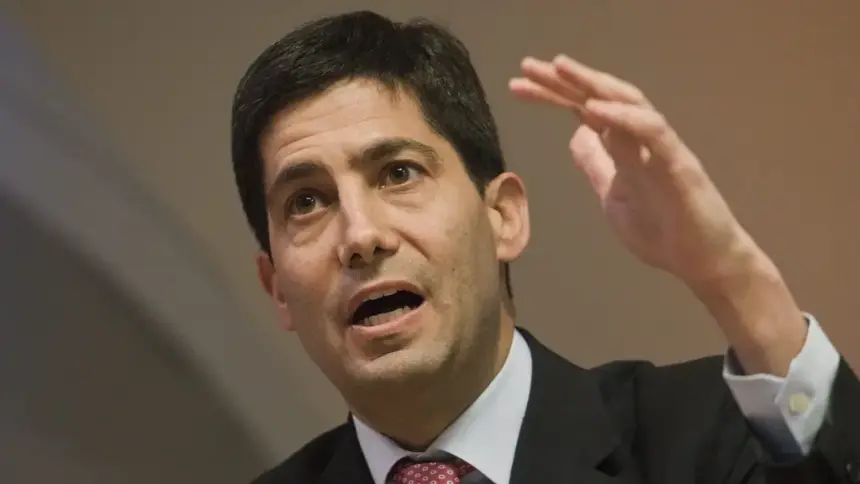
Trump’s Fed chair pick takes a procedural step forward as Powell’s May 15 deadline approaches after Kevin Warsh submitted key documents.
The filing clears an early hurdle that had delayed the Senate process. However, political resistance continues to cloud the timeline for final approval.
Kevin Warsh completed the required financial disclosures, allowing his nomination to move closer to a Senate hearing. The missing paperwork had stalled proceedings and forced a delay in the expected review schedule. Lawmakers now have what they need to advance the process, but confirmation remains uncertain.
Senate resistance complicates confirmation timeline
The path forward still faces obstacles on Capitol Hill. Thom Tillis has said he will block final approval until a federal case tied to Jerome Powell is resolved. This stance creates uncertainty as the deadline for leadership transition approaches.
Powell’s term is set to end on May 15, and the administration aims to install Warsh before then. The ongoing legal matter has become a key sticking point in the confirmation process. Jeanine Pirro has indicated that prosecutors will continue pursuing the case despite earlier setbacks.
The delay raises questions about whether the Senate can complete its review in time. Even with paperwork submitted, procedural steps and political disagreements may extend the timeline beyond expectations.
Fed officials assess inflation outlook amid energy shock
At the same time, policymakers are weighing economic risks tied to global events. Stephen Miran stated that the Iran-related energy shock has not altered long-term inflation expectations. He said there is no clear evidence that expectations have risen.
Miran noted that the labor market has been cooling gradually over several years. This trend, he argued, reduces the risk of a wage-driven inflation cycle. He added that energy price spikes often fade quickly, limiting their lasting impact.
He expects inflation to move close to the central bank’s target within a year. This outlook contrasts with concerns raised during the March meeting of the Federal Open Market Committee. Minutes from that session showed growing worries about persistent inflation pressures.
The committee kept its benchmark rate unchanged between 3.5% and 3.75%. Miran supported a rate cut at the meeting, placing him at odds with several colleagues. Since joining the board, he has advocated for faster easing.
Market views highlight rate sensitivity and policy direction
Debate has also extended to financial innovation and market behavior. Miran addressed proposals allowing stablecoin issuers to pay interest to users. He suggested the impact on traditional banks would likely remain limited.
Meanwhile, Jim Cramer focused on interest rates and market reactions. He argued that future Fed policy under Warsh may avoid raising rates if current trends hold. He added that rate cuts could become more likely under stable conditions.
Cramer said energy-driven inflation may be treated as temporary by policymakers. He pointed to improved fuel efficiency and lower domestic natural gas costs as mitigating factors. He described natural gas as a key advantage for the United States.
He also emphasized that interest rates continue to shape stock valuations more than geopolitical events. Rising rates tend to reduce the value investors assign to future earnings. This dynamic can pressure equity markets through multiple compressions.