SoftBank is exploring a major fundraising initiative targeting Gulf investors to expand its artificial intelligence investment strategy.
The proposed AI buyout fund would acquire established businesses and improve their operations through artificial intelligence.
The initiative could shift SoftBank’s focus from developing AI infrastructure toward generating revenue through existing companies. However, the Japanese investment group has yet to secure commitments for the proposed fund.
SoftBank targets Gulf investors for $100 billion AI buyout fund
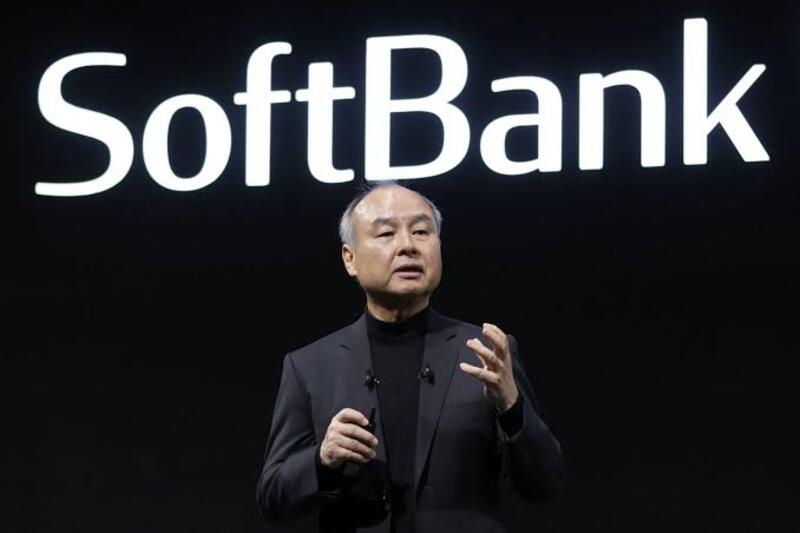
SoftBank CEO Masayoshi Son is reportedly seeking up to $100 billion from Gulf investors, including potential backers in the United Arab Emirates.
According to reports, Son recently held discussions with senior figures in the UAE concerning the proposed fundraising initiative. However, Reuters could not independently verify those meetings, while SoftBank declined to comment.
The proposed fund would acquire operating businesses and introduce artificial intelligence technologies to improve efficiency, productivity, and financial performance. This approach differs from SoftBank’s existing investments in AI developers, semiconductor companies, and data center infrastructure.
Instead, the AI buyout fund would focus on established businesses with existing customers and revenue streams. SoftBank could use AI automation and operational improvements to increase profitability across acquired companies.
Nevertheless, the $100 billion fundraising target remains preliminary, with no confirmed investor commitments or finalized financing arrangements.
The initiative also comes as SoftBank expands its financial exposure to the artificial intelligence sector.
On October 1, SoftBank announced its final $10 billion payment toward a $30 billion investment commitment to OpenAI. The payment increased its total investment in OpenAI to $64.6 billion, representing nearly 13% ownership.
SoftBank financed the payment through foreign-currency-denominated senior notes. The company also canceled $10 billion in unused bridge loan capacity on September 30 after repaying outstanding borrowings.
Meanwhile, SoftBank raised approximately $11 billion through dollar- and euro-denominated bonds. Its dollar debt yield for 2031 maturities reached approximately 8.2% in September, compared with 6.7% in January.
These financing costs highlight the importance of securing external investors for SoftBank’s proposed AI acquisition strategy.
AI revenue challenges and US restrictions shape gulf fundraising plans
SoftBank’s fundraising ambitions coincide with growing concerns about whether AI revenues can support the industry’s expanding infrastructure investments.
According to Bain & Company, artificial intelligence businesses must generate approximately $6 trillion annually by 2031 to support projected computing demand.
Bain estimates existing AI applications could generate between $1.2 trillion and $1.8 trillion. Consequently, the industry would need approximately $4.2 trillion in additional annual revenue.
Bain’s David Crawford warned that AI infrastructure economics require substantial new revenue beyond productivity improvements.
Meanwhile, UBS has highlighted increasing connections between AI-related borrowing arrangements. The Bank for International Settlements has also questioned whether artificial intelligence investments will deliver substantial economic gains.
Gulf investors could provide SoftBank with additional capital, although geopolitical restrictions present challenges.
The Middle East Institute has identified US semiconductor export restrictions, chip access, and data center security as major considerations for Gulf AI partnerships.
Washington’s technology policies could therefore influence future investment structures and access to advanced computing infrastructure.
For now, SoftBank’s proposed $100 billion AI buyout fund remains dependent on securing Gulf investor commitments and establishing a viable acquisition strategy.