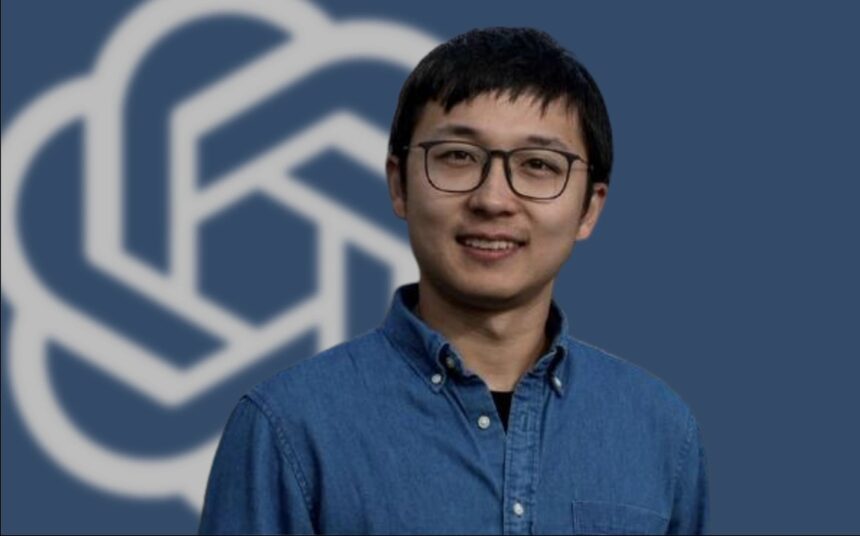
Meta Platforms’ chief executive, Mark Zuckerberg, has confirmed the addition of Shengjia Zhao, the co-creator of OpenAI’s ChatGPT, as the new chief scientist of its Meta Superintelligence Labs. “Shengjia has already pioneered several breakthroughs, including a new scaling paradigm and distinguished himself as a leader in the field. I’m looking forward to working closely with him to advance his scientific vision,” Zuckerberg posted on Threads, praising Zhao.
Zhao is expected to work directly with Zuckerberg and Alexandr Wang, Meta’s chief AI officer, who himself joined from Scale AI weeks ago. In his June memo, Zuckerberg credits Zhao with co‑creating ChatGPT, contributing significantly to GPT‑4’s development, including its compact variants 4.1 and o3, and heading OpenAI’s synthetic data initiatives before his move to Meta.
Although Zhao was mentioned alongside other recruits in the memo, CNBC reported that Zuckerberg said that Zhao co-founded the lab and “has been our lead scientist from day one.” Within Meta Superintelligence Labs, teams will concentrate on foundational AI architectures like the open‑source Llama series, alongside various product builds and core research projects.
Meta continues to win over OpenAI talents
Earlier in July, Zuckerberg said Meta is planning to dedicate “hundreds of billions of dollars” to its AI infrastructure, adding that “the next few years are going to be very exciting!” This latest spree of hirings follows the underwhelmed developer response to the Llama 4 models released in April, prompting a strategic overhaul to more effectively challenge rivals such as OpenAI and Google.
Altman says Meta offered $100 million to his employees, but the company denied it. WIRED also reported that Meta had made about ten of these offers to OpenAI employees. One chief scientist was reportedly asked to be chief scientist, but he turned it down, according to people familiar with the situation.
“That’s about how much it would take for me to go work at Meta,” said an OpenAI staffer who spoke on condition of anonymity. Others said they compared the financial incentives with the chance to shape projects at Meta versus OpenAI, with several feeling their contributions would be greater at OpenAI.
Meta spokesperson Andy Stone challenged the figures. “These statements are untrue—the size and structure of these compensation packages have been misrepresented,” he said. “Some people have chosen to greatly exaggerate what’s happening for their own purposes.”
Anthropic co-founder Benjamin Mann also talked about the recruitment packages, noting that his team cannot be swayed by them. He emphasized that Anthropic’s workforce is driven by the company’s purpose. “It’s not a hard choice,” Mann said, adding that while other AI firms lost people to big paydays, Anthropic has held onto its experts.
Mann added that huge offers could be reasonable based on individual circumstances. His comments underscore a fierce talent war among leading tech firms, with signing bonuses reportedly climbing as high as $100 million. “I’m pretty sure it’s real,” Mann added.