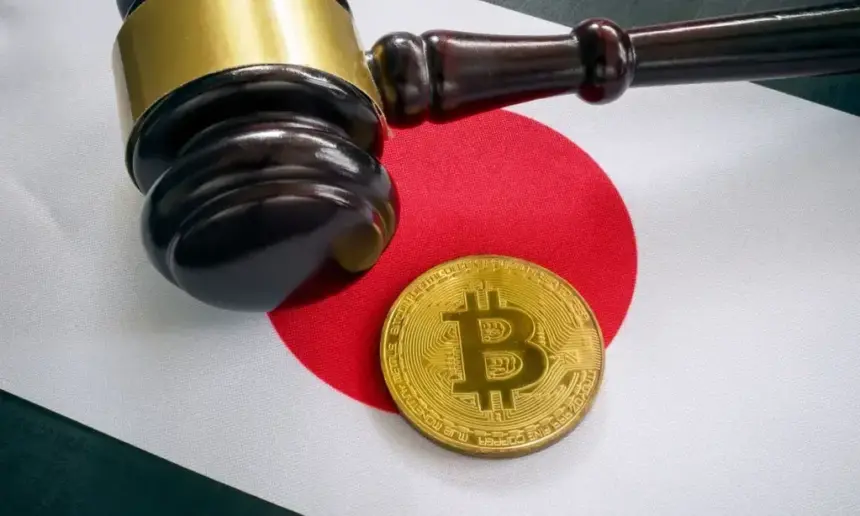
Japan’s financial regulators are preparing to introduce new rules targeting insider trading in the cryptocurrency sector.
The move aims to close a regulatory gap and strengthen trust in the nation’s growing digital asset market. According to Nikkei Asia, the Securities and Exchange Surveillance Commission (SESC) will soon have the power to investigate suspected insider trading in cryptocurrencies and recommend penalties or criminal action.
Regulators Move Toward Tighter Oversight
Currently, crypto assets are not covered under Japan’s Financial Instruments and Exchange Act (FIEA). The Japan Virtual and Crypto Assets Exchange Association (JVCEA) also has limited capacity to monitor insider activities. To address this gap, the Financial Services Agency (FSA) plans to consult on new measures that will take effect by 2026.
Officials intend to amend the FIEA to explicitly prohibit trading based on undisclosed information related to crypto assets. The FSA will then issue detailed guidelines to define which actions qualify as insider trading. These include trading on confidential knowledge of upcoming exchange listings or unannounced security flaws in digital assets.
The SESC’s expanded role is expected to create a fairer trading environment and enhance public confidence in cryptocurrency as a legitimate investment sector.
Challenges in Applying Traditional Laws
Applying insider trading laws to cryptocurrencies presents unique challenges. Unlike stocks or bonds, many digital tokens lack a clear issuer, making it difficult to determine who constitutes an insider. Japan also has limited experience in prosecuting cases of crypto-related insider trading.
When the European Union introduced its crypto regulations in 2024, it avoided defining specific types of insider information. This reflects the difficulty of applying traditional financial frameworks to decentralized assets. Regulators worldwide continue to seek balanced solutions that protect investors without hindering innovation.
Global Context and Domestic Momentum
Japan’s cryptocurrency market continues to expand rapidly, with 7.88 million active trading accounts recorded in August. This marks a fourfold increase in just five years. As global insider trading and fraud cases rise, international bodies such as the International Organization of Securities Commissions have urged stronger oversight. The EU and South Korea have already introduced measures to address these risks.
Japan’s FSA and SESC plan to draw on both global models and domestic experience to develop their own comprehensive framework. Many analysts believe this will bring greater clarity to Japan’s regulation of different types of tokens, including payment, security, and utility assets.
Sanae Takaichi, a leading contender for Japan’s next prime minister, is expected to support the digital economy while maintaining strict regulatory standards. Her administration could bring new focus to technological development and crypto market regulation. Experts believe this balance between innovation and control will reinforce Japan’s reputation as a responsible and forward-looking financial hub.