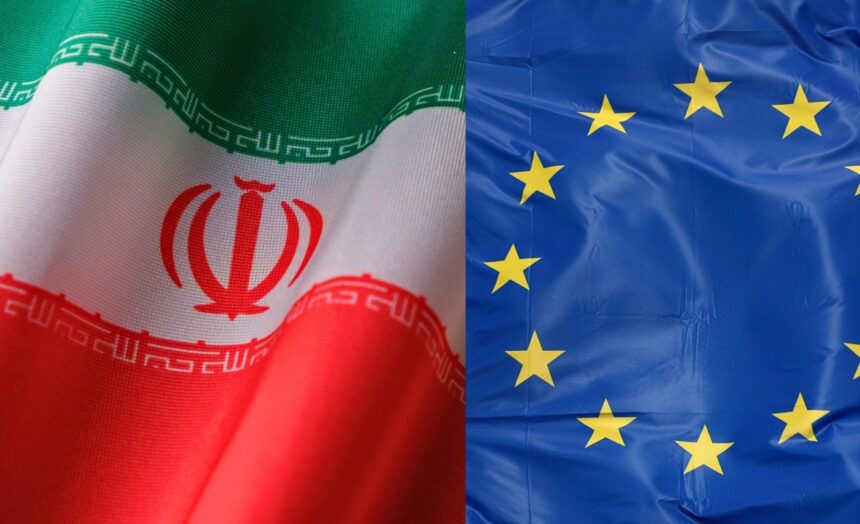
Europe has told Iran that it plans to delay sanctions, but only if the country agrees to return to the negotiation table with Washington and begin working with UN nuclear inspectors. The details of the meeting were announced by Western diplomats ahead of the crucial meeting between officials from the UK, Germany, France, and Iran.
The talks would be the first direct ones since Israel announced a 12-day military offensive on Iran, which briefly dragged in the United States. The pressure is on the E3, the group made up of Britain, France, and Germany, to decide whether to trigger the snapback mechanism, a clause from the collapsed 2015 nuclear deal. If invoked, the clause would automatically reimpose UN sanctions on Iran.
Europe to offer conditions that hinge on talks and IAEA access
The deal in 2015 crumbled after United States President Donald Trump ditched it during his first term, then announced sanctions that hit Iran’s economy. Iran responded by increasing its nuclear activity. According to diplomats, the E3 will propose a few more months of breathing room before they consider the snapback, pushing the sanctions deadline beyond the current mid-September window.
This is just one month before the October 18 expiration of some key clauses in the original nuclear agreement. But this extension doesn’t come free. Iran would have to agree to restart negotiations with the Trump administration and begin some form of cooperation with the International Atomic Energy Agency (IAEA). “If Iran comes to the table and works with inspectors, we hold off. If not, sanctions are back on,” one diplomat said.
The extension itself would require a new UN Security Council resolution. That’s a whole other political headache, but Europe is more interested in diplomacy than escalation. Meanwhile, Iran warned the UN that if sanctions return, the country is prepared to walk away from the Non-Proliferation Treaty (NPT). That would be a big step, as Iran has already frozen ties with the IAEA, especially after Israel and America hit Iranian nuclear sites during the war.
Still, Iran’s Deputy Foreign Minister Kazem Gharibabadi said on Wednesday that a new IAEA team would be arriving in Tehran soon to talk about “a new modality” for cooperation. He added, though, that this didn’t mean inspectors would get access to nuclear sites. While Europe waits, Iran has been busy holding separate talks with Russia and China, the other two original parties to the 2015 nuclear deal. These meetings happened in Tehran this week, but so far, nothing public has come out.
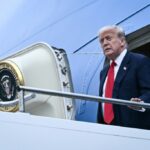
Iran and the US had been holding indirect talks since April, but those discussions froze after Israel launched airstrikes that killed several top Iranian military leaders and nuclear scientists. That attack shook the regime and deepened mistrust of the US. Trump’s position has remained unchanged. This week, he mentioned that he is in no rush to reopen talks with Iran, noting that all their nuclear sites have been destroyed.
“It’s Tehran that needs to come back,” he said. But IAEA analysts warn that Iran could be back enriching uranium again “in a matter of months.” This is no small matter, considering Iran is yet to explain where over 400 kilograms of highly enriched uranium are gone. That amount of uranium is enough to make several nuclear weapons, and officials feel it may have been hidden before the Israeli strikes.