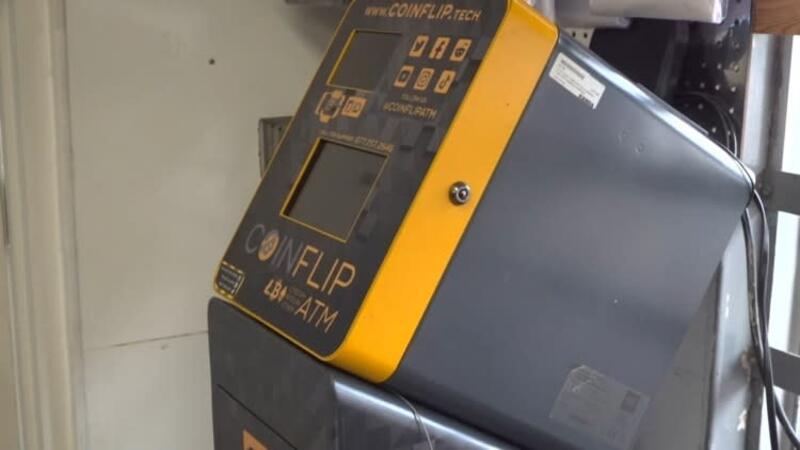
Crypto ATM industry operators suffered an early legal setback after a federal judge refused to pause Tennessee’s new ban on virtual currency kiosks during a constitutional challenge.
Tennessee Attorney General Jonathan Skrmetti announced the July 7 ruling, saying Public Chapter 766 remains enforceable while CoinFlip operator GPD Holdings LLC and Charles Wernicke challenge the law. The court did not decide constitutionality, but found the plaintiffs had not met the standard for emergency relief.
Court Allows Tennessee Ban to Proceed
Public Chapter 766 makes it a Class A offense to install, operate, or allow a virtual currency kiosk anywhere in Tennessee. The plaintiffs argued the measure would cause real harm and unlawfully burden interstate commerce.
U.S. District Judge Travis McDonough said consumer protection interests outweighed the request to block enforcement. Broader constitutional questions will be addressed later.
The court indicated CoinFlip had not presented enough facts to show Tennessee’s law burdens interstate commerce. The state relied on legislative findings and federal fraud statistics.
“Cryptocurrency ATMs are tools for scammers targeting vulnerable Tennesseans and are rarely used for anything approaching a legitimate purpose,” Skrmetti said after the decision. He added that lawmakers acted to protect consumers from increasingly sophisticated fraud schemes.
CoinFlip Rejects Fraud Focus
CoinFlip disputes that view. In court filings, CEO Ben Weiss said the machines serve customers who use cash, are unbanked, or do not want to connect bank accounts to crypto platforms. The company said removing its Tennessee kiosks would permanently damage customer relationships and retail partnerships built over several years.
The case comes as states intensify scrutiny of crypto ATMs. Indiana became the first state to ban them entirely. Tennessee and Minnesota later followed, while other states chose transaction limits, licensing rules, and mandatory fraud reimbursement measures.
At least 20 states have adopted some form of crypto ATM measure, according to the American Bankers Association. The issue has also reached Congress, where Representatives Sean Casten and María Elvira Salazar introduced the Stop Crypto ATM Scams Act. Casten said criminals use the kiosks “to prey on seniors,” while Salazar called for stronger protections.
Fraud Losses Drive Wider Pressure
FBI Internet Crime Complaint Center data showed victims lost $247 million in crypto ATM-related scams in 2024, with many victims being older people.
In Texas, crypto ATM fraud losses reached about $56.8 million last year, the highest amount among states. Bitcoin Depot has filed for Chapter 11 bankruptcy after sharp income declines. Regulators in multiple states have also filed lawsuits or introduced kiosk rules.
Operators argue the machines do not create fraud. They say criminals manipulate victims into transactions and point to monitoring, customer identification, and fraud prevention systems. Tennessee can enforce its ban as the lawsuit continues.