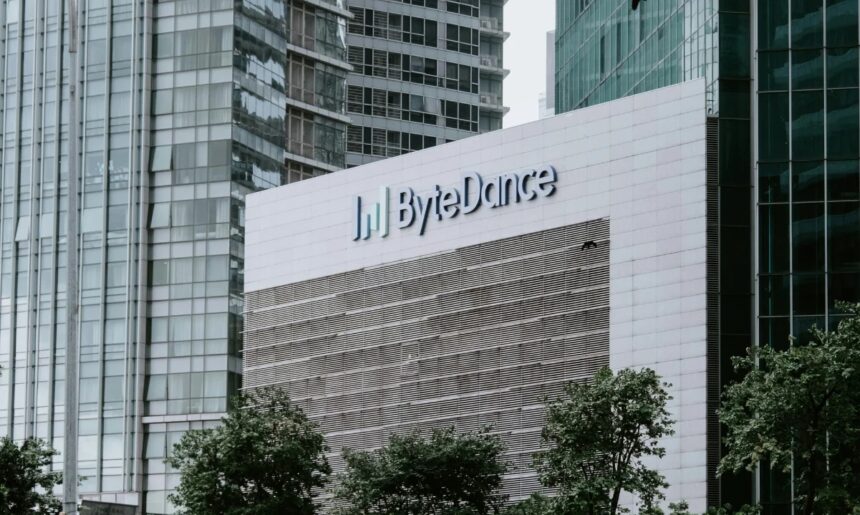
ByteDance has suspended the global release of its viral AI video-generation model Seedance 2.0 after copyright disputes with major Hollywood studios and streaming platforms escalated, according to reports citing sources familiar with the matter.
The tool, which can generate realistic videos from text prompts or images, quickly gained attention online for producing cinematic clips that resembled scenes from popular films and featured AI-generated versions of well-known actors. However, the technology also triggered a backlash from entertainment companies, which argue that the system may have been trained on copyrighted material without authorization.
ByteDance accused of copyright infringement
A while after Seedance 2.0 was released in China, it began attracting criticism from streaming firms. Viral content featuring AI-generated celebrity combatants prompted serious questions regarding the legality of the model’s data. Last month, Disney slapped ByteDance with a cease-and-desist letter, alleging that the platform illegally bundled its franchises as if they were public-domain assets.
Disney specifically called out the theft of iconic figures from its massive Marvel and Star Wars universes. At the time, Disney’s attorney David Singer, also a partner at Jenner & Block, commented, “ByteDance’s virtual smash-and-grab of Disney’s IP is willful, pervasive, and totally unacceptable. We believe this is just the tip of the iceberg, which is shocking considering Seedance has only been available for a few days.”
After Disney took legal action, Paramount Skydance also accused ByteDance’s Seedance of looting its library, including South Park, Star Trek, Dora the Explorer, and The Godfather franchises, to train its AI tools. It sent a cease-and-desist letter to the firm. Moreover, Motion Picture Association chairman and CEO Charles Rivkin had chimed in, calling for an immediate end to ByteDance’s copyright violations.
In response to the backlash in February, ByteDance said it is reinforcing its safeguards against unauthorized use of intellectual property and likeness. According to reports, ByteDance has now suspended plans to expand its platforms into other regions. Seedance had initially intended to make its tools available by mid-March. The company’s lawyers and engineers are still working to pinpoint risks and build digital “guardrails” to prevent future AI infringement.
However, despite its setback, ByteDance is still planning to increase its computing power outside China, using advanced Nvidia AI chips. It has partnered with a Southeast Asian company with intentions to acquire Nvidia’s Blackwell chips in Malaysia for AI research and development. The partner’s Tier 1 designation from Nvidia gives it priority access to cutting-edge chips, allowing ByteDance to tap into that pipeline for hardware it cannot legally purchase in its home market.