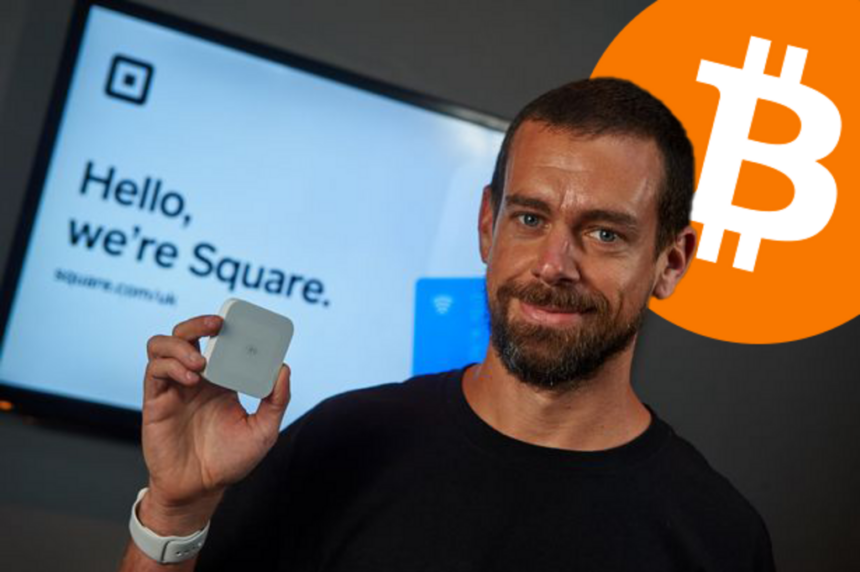
A team of Bitcoin enthusiasts (led by Jack Dorsey) is pushing Signal to add Bitcoin payments, citing that this would be in line with the privacy mission of the platform and would further empower it to be financially independent.
The campaign, named Bitcoin for Signal, suggests implementing the Cashu protocol to enable private BTC transfers within the encrypted messaging service.
Campaign Promotes Bitcoin for Signal’s Financial Independence
The Bitcoin for Signal Project is an initiative that encourages people to use the Chaumian Ecash system of Cashu, which enables individuals to send and receive Bitcoin privately without relying on banks or other intermediaries. The proponents hold the view that adopting BTC would enhance Signal’s privacy-driven reputation and help mitigate the impact of donations and other external investments. They assert that in-app payments using Bitcoin enable users to tip or donate directly, which aligns with the open and independent model of Signal.
Jack Dorsey further shared the message on X (by reposting the message of Cashu) and put it in writing, noting, “Signalapp needs to use Bitcoin. Other Bitcoin developers, such as Peter Todd, Satoshi Labs developer Pavol Rusnak, and an anonymous developer of Cashu, known as Calle, have also expressed this support. Todd found fault with the existing MobileCoin system at Signal, stating that it was unreliable and difficult to use, and that the app should accept reality and adopt Bitcoin.
Signal’s Past Payment Experiment Faces Criticism
In 2021, Signal attempted to utilize MobileCoin for private payments within the app. Nonetheless, the problem of centralization and its inaccessibility became an issue among users and experts. MobileCoin is not based on a decentralized network, but rather on a small number of validators. Therefore, critics argue that this makes it insecure and less accessible. The supply of the coin to major exchanges is also limited, and thus, its global application is restricted, making it inaccessible to most users.
Analysts indicate that the obstacles could be overcome by integrating Bitcoin. Signal has the potential to serve as a massive platform for private Bitcoin transactions. With 70 million monthly users, this potential may be fully realized once a significant number of the Signal community joins the movement.
Privacy Concerns Over Bitcoin Integration
Not every privacy specialist is in favor of the concept. Critics note that including Bitcoin would compromise the privacy-oriented cause of Signal because the BTC blockchain is publicly accessible. The advocates of digital rights, such as the members of Techlore and Aztec Network, believe that the transparency of Bitcoin may reveal information about the transactions. They propose privacy-oriented derivatives, such as Monero and Zcash, which utilize sophisticated cryptographic systems to conceal payment details.
According to Cashu protocol proponents, user identities are not endangered because the protocol uses BTC-based tokens of ecash that conceal transactions on the public blockchain. Researchers, however, warn that these systems are still experimental and have not been tested on a large scale. They observe, plan, and create new privacy measures that may take years, and untimely implementation may reveal flaws or scaling problems.
The argument brings out the tradeoff between innovation and privacy. Although Bitcoin enthusiasts believe that integration will bring them closer to independence and safer payment methods, opponents recognize that it may introduce new risks. Signal has yet to respond to the campaign, although its reaction would redefine the way digital payments are managed on private messaging platforms.