Eight Chinese employees have been sentenced for stealing over 140 million yuan (approximately $20 million) from a short video platform and laundering the stolen funds using Bitcoin. According to their newly released White Paper on Procuratorial Work on Anti-Commercial Corruption by the People’s Procuratorate of Haidian District, this was one of the most intricate digital corruption cases prosecutors handled between 2020 and 2024.
The fraud process began within the company, where an employee known as Feng controlled how service providers signed up on the platform, how bonuses were set up, and how they received payment. Feng approved those that qualified for them and made sure the funds went through. That much unchecked power made it easy for him to team up with two outside collaborators, Tang and Yang, to rig the system from the inside.
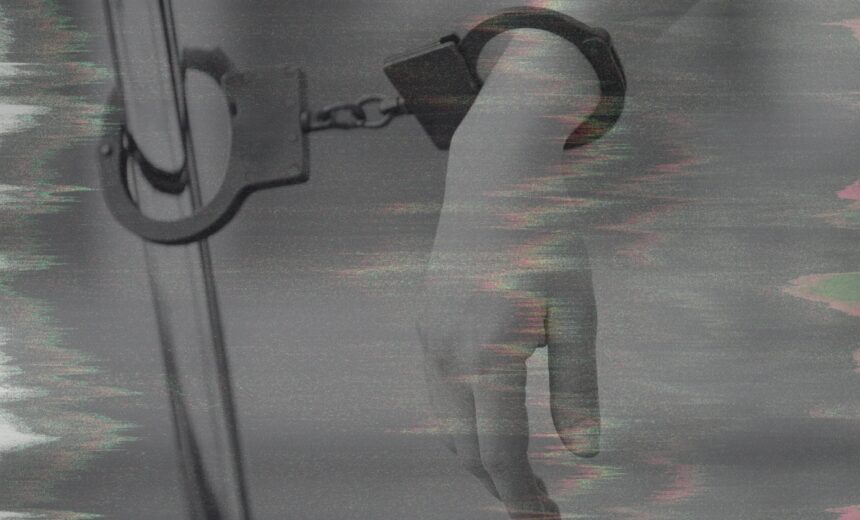
Chinese employees arrested for stealing $20 million
Feng deliberately created loopholes in the company’s bonus policies and leaked the private data to Tang and Yang so they could file fake documents that made it look like they met the requirements. Instead of rewarding actual work, the stolen bonuses were redirected to fake participants. This went on for a year, and by the time the scheme was exposed, about 140 million yuan had already been funneled out of the company.
Yang told his co-conspirator Wang and others to set up multiple fake companies whose only purpose was to collect the stolen rewards. Once the money was in, they moved it between accounts until it landed in Yang’s control. The company had no clue that the cash meant for growth had been hijacked by a small group of insiders. After moving the money into the shell accounts, Feng told the others to move the money into crypto. They used eight different international platforms to split the funds into batches of Bitcoin, hiding the movement across borders.
The gang used coin mixers to hide the crypto transaction trail
After moving the funds into Bitcoin, they used a method called coin mixing, which scrambles the trail of crypto transactions to make them untraceable. The goal was to make it impossible to figure out where the money came from, or where it was going. By the time the funds were converted back into yuan, they had passed through multiple accounts and platforms.
Some of that laundered money ended up back in company accounts secretly controlled by Feng, Tang, and Yang. Investigators later called it a “closed loop” money laundering chain, fueled by tech and hidden behind fake businesses and fake documents. “We recovered over 90 Bitcoin during the investigation,” Prosecutor Li Tao said. That recovery only covered a portion of the stolen funds, but it confirmed the gang’s methods and the money trail they tried to erase.
Prosecutor Li Tao, who works in the Science and Technology Crime division in Haidian, built an evidence system by comparing data, transaction records, and cash flow. That exposed every step of the fraud, from policy manipulation to the crypto transfers. Feng was sentenced to 14 years and six months, while the rest of the group got between three and fourteen years, with fines. All were convicted of occupational embezzlement.